Table of Contents
- The Early Years: 1950s
- Innovations and Changes: 1960s-1970s
- The Turbo Era: 1980s
- Modern F1: 1990s-Present
The Early Years: 1950s
The inaugural Formula 1 World Championship took place in 1950. The post-war era brought a surge of interest in motorsport, leading to the formation of modern F1. Nino Farina won the first ever World Championship in his Alfa Romeo. The races were dominated by Italian teams, with Alfa Romeo, Ferrari, and Maserati leading the charge. The introduction of these races heralded a new era of motor sports, drawing massive crowds and increasing international interest.
Key Milestones of the 1950s
- 1950: Introduction of the Formula 1 World Championship
- 1951: Juan Manuel Fangio enters the scene, winning multiple championships
- 1958: First Constructors’ Championship awarded
Innovations and Changes: 1960s-1970s
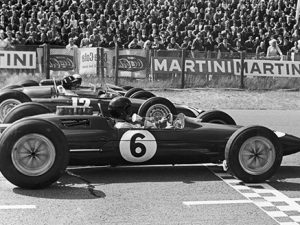
As technology advanced, so did Formula 1. During the 1960s and 1970s, cars became faster and safer. This period saw the introduction of innovations such as aerodynamic wings and sponsorship liveries. It was also marked by the rivalry between drivers like Graham Hill and Jackie Stewart. The mid-70s introduced turbocharged engines, setting the stage for future advancements.
Technical Innovations of the 1960s-1970s
| Year | Innovation |
|---|---|
| 1962 | First Monocoque Chassis |
| 1968 | Sponsor Ads on Cars |
| 1977 | First Turbocharged Engine in a Formula 1 car |
The Turbo Era: 1980s
The 1980s were defined by powerful turbocharged engines. This era brought about intense competition with drivers like Ayrton Senna, Alain Prost, and Nelson Piquet. The cars were faster than ever, and safety became a significant concern following several tragic accidents. The dominance of McLaren and Williams teams illustrated the importance of technological superiority in motorsport success.
Champions of the Turbo Era
- 1981: Nelson Piquet
- 1985: Alain Prost
- 1988: Ayrton Senna
Modern F1: 1990s-Present
From the 1990s to the present, F1 has seen significant regulations changes to enhance safety, maintain competitive balance, and promote sustainability. The rise of teams like Ferrari, Mercedes, and Red Bull Racing has created new legends in the sport. This era is marked by global expansion, with races held across the world, introducing F1 to millions of new fans.
Modern Drivers and Teams
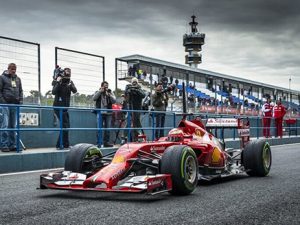
Key figures in the modern era include Michael Schumacher, with his dominance in the early 2000s, and Lewis Hamilton, a contemporary legend. The sport continues to evolve with hybrid engine technology and an increasing focus on environmental sustainability.
How Active Suspension Systems Are Changing the Role of Shock Absorbers
Automotive suspension technology has evolved rapidly in recent years, and one of the most transformative innovations is active suspension. Unlike traditional passive systems, which rely solely on springs and shock absorbers to respond to road conditions, active suspension uses sensors, electronic control units, and actuators to adjust damping in real…
Signs Your Shock Absorber Bushings Need Replacement — And Why It Matters
Shock absorbers play a critical role in keeping your vehicle stable, smooth, and safe on the road. But the shock absorber itself isn’t the only component that matters — its bushings are equally important. These small rubber or polyurethane mounts isolate vibrations, reduce noise, and ensure proper alignment between the…
Understanding Shock Absorber Valving: How It Affects Ride and Performance
Shock absorbers do far more than simply “soften the ride.” Inside every shock is a precisely engineered hydraulic valving system that determines how the suspension responds to bumps, cornering loads, braking forces, and rapid wheel movement. Whether you want comfort, stability, performance, or a balanced combination of all three, shock…
Hydraulic Fluid Inside Shock Absorbers: Composition, Maintenance, and Failure Signs
Shock absorbers play a crucial role in ensuring vehicle stability, comfort, and control by dampening vibrations and absorbing road impacts. At the heart of every hydraulic or gas-hydraulic shock absorber is hydraulic fluid, a specialized oil responsible for creating the damping force that keeps the vehicle stable. Understanding how this…
Gas-Charged Shock Absorbers: Benefits, Drawbacks, and Best Use Cases
Gas-charged shock absorbers have become a popular choice in modern suspension systems due to their ability to improve stability, enhance ride comfort, and provide better handling in a variety of driving conditions. Whether you drive a compact city vehicle, an SUV, or a performance car, gas-charged shocks can offer a…
Comparing OE vs. Performance Shock Absorbers: Which Is Right for You?
Choosing the right shock absorbers is one of the most important decisions you can make for your vehicle’s handling, comfort, and safety. Whether you’re a daily driver seeking a smooth ride or an enthusiast aiming for sharper performance, understanding the difference between OE (Original Equipment) and performance shock absorbers is…
How to Choose Performance Shock Absorbers for Track or Motorsport Use
In motorsport, every fraction of a second counts. While most enthusiasts focus on power upgrades or tire compounds, one of the most decisive factors for lap times and vehicle control is often overlooked — the shock absorber. In performance driving, the right set of shocks can transform how a car…
Common Installation Mistakes That Ruin New Shock Absorbers
Shock absorbers are among the most vital components in your vehicle’s suspension system. They ensure that your tyres remain in contact with the road, improving handling, braking, and overall comfort. However, even brand-new, high-quality shock absorbers can fail prematurely — not because of manufacturing defects, but due to installation mistakes….
The Role of Shock Absorbers in Reducing Body Roll and Cornering Instability
When you take a sharp turn, accelerate through a curve, or swerve to avoid an obstacle, your car’s stability depends heavily on one crucial component: the shock absorber. Often underestimated, shock absorbers play a key role in how your vehicle manages weight transfer, body roll, and traction during cornering. Understanding…
DIY Shock Absorber Replacement: Tools, Steps, and Safety Tips
Replacing your own shock absorbers can be one of the most rewarding and cost-effective maintenance tasks for a car enthusiast. Shocks are vital for ride comfort, steering stability, and safety — yet they often go neglected until performance noticeably drops. With the right tools, preparation, and understanding, a DIY shock…